
Editorial Methodology

How we evaluate the products we recommend

The market for men's vitamin supplements is crowded. To separate trustworthy options from clever marketing, VitaminPria applies a consistent evaluation method to every product we review — one focused on ingredient purity, manufacturing standards, and label honesty. This page explains exactly what we check and why each factor matters for your daily energy and long-term wellness.

Natural supplement capsules on dark surface
01

What we examine

Ingredient origin, extract standardization, manufacturing certifications, bioavailability of nutrient forms, and label transparency.

02

How we verify

We cross-reference brand disclosures against third-party testing documentation and published nutritional research.

03

What we reject

Products hiding ingredient doses behind proprietary blends, using synthetic fillers as cheap substitutes, or omitting basic safety warnings.

The Evaluation Framework

Eight criteria we apply to every product

Natural supplements for men only earn a recommendation when they satisfy the majority of these standards. We weight each criterion based on how directly it affects the quality and consistency of what you take daily.

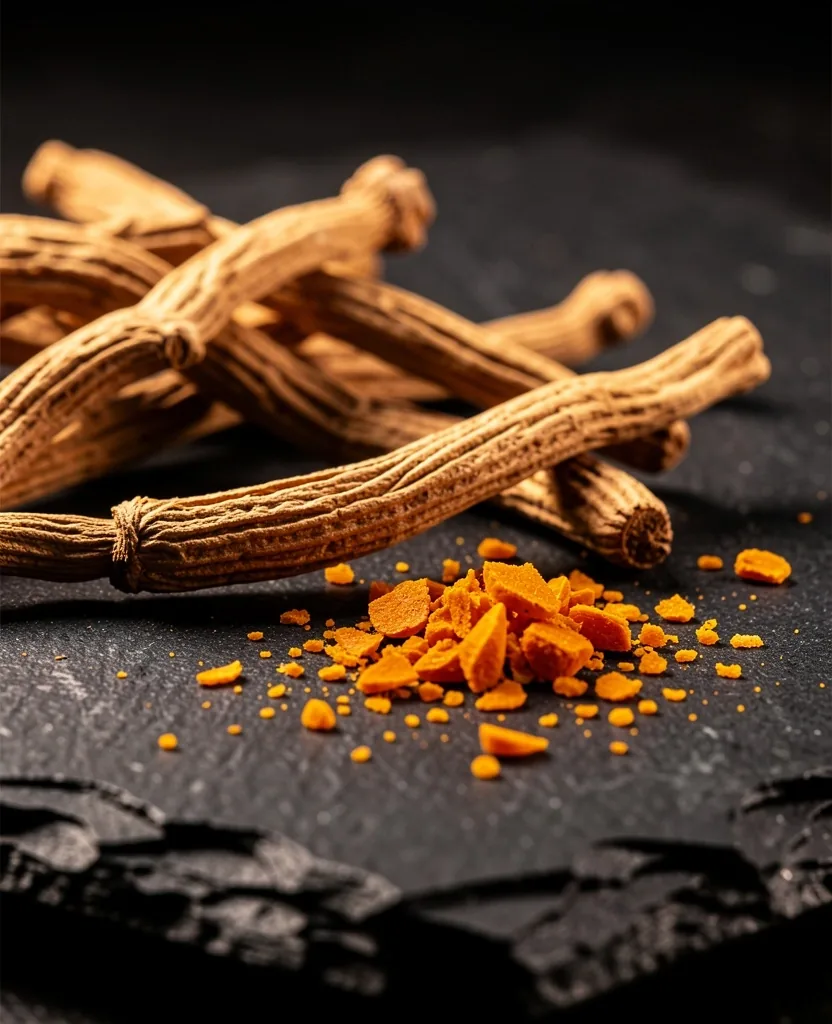
Dried botanical ingredients on dark surface
Criterion 01

Ingredient purity and sourcing

The foundation of any good supplement is the quality of its raw materials. We look for products that use non-GMO, organic, or sustainably sourced ingredients whenever possible. Men's vitamin supplements should be free from unnecessary fillers, artificial colors, and synthetic preservatives that dilute the active compounds and add no nutritional value.

Sourcing matters because soil quality, harvest timing, and storage conditions all affect nutrient density. A vitamin C extract from a well-managed organic farm carries a different profile than a mass-produced synthetic isolate. We ask brands to disclose where their key ingredients originate and how they are processed before encapsulation.

  • ● Preference for non-GMO and organically cultivated raw materials
  • ● No artificial colors, synthetic preservatives, or bulk excipient fillers
  • ● Transparent origin disclosure for primary botanical and mineral sources
Criterion 02

Standardized herbal extracts

Not all plant powders deliver consistent results. We prioritize products that use standardized extracts, which guarantee a defined concentration of the active compound in every dose. This precision is what separates effective natural capsules for strength and vitality from low-grade alternatives that vary batch to batch.

A high-quality ginseng supplement, for instance, will specify the percentage of ginsenosides it contains. A rhodiola product should state its rosavin and salidroside levels. Without standardization, you have no way to compare two products or know whether the dose you take today matches the dose from the previous bottle.

In practice: We look for extract standardization listed directly on the label — not buried in marketing copy or omitted entirely. If a brand cannot or will not disclose active compound percentages, that is a signal to look elsewhere.

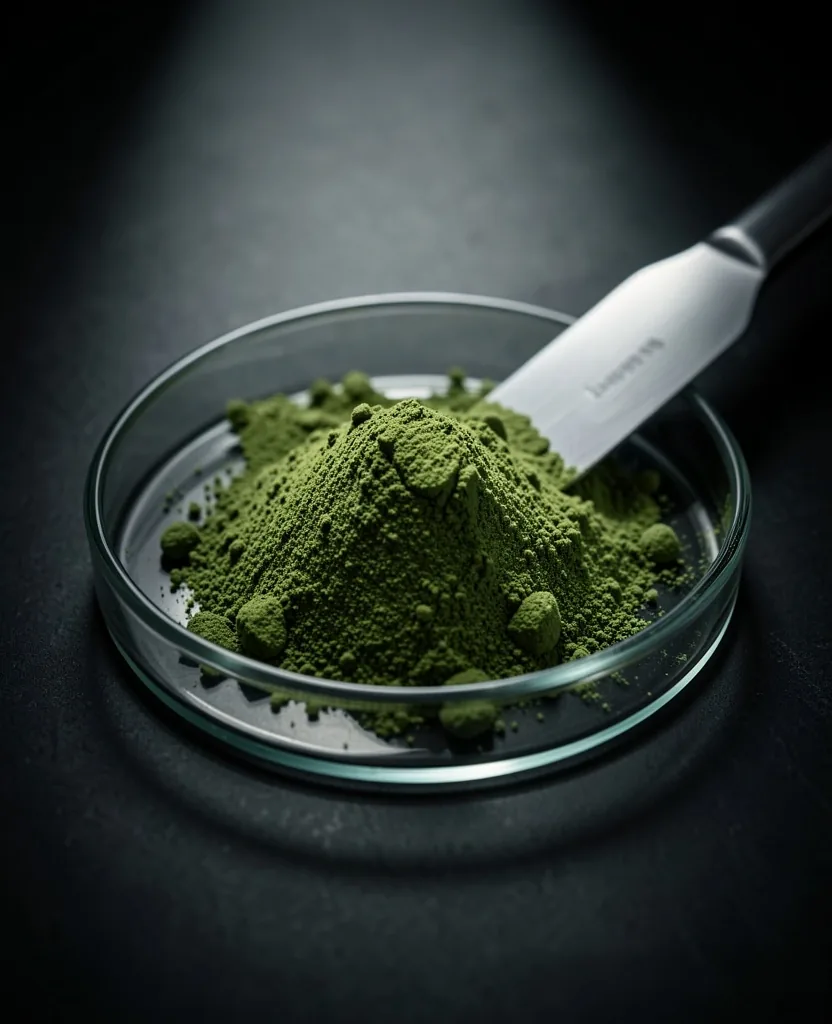
Herbal extract powder measured in dark glassware
Manufacturing facility interior
Criterion 03

Manufacturing standards and certifications

We only recommend products manufactured in facilities that follow Good Manufacturing Practices. These standards ensure that a supplement is consistently produced and controlled according to documented quality procedures — from raw material inspection to final packaging.

Beyond GMP compliance, we look for third-party testing from independent laboratories. This verification confirms that what the label promises is what the bottle contains — no more, no less. Brands that publish their testing results or make batch records available on request demonstrate a level of accountability we expect from popular products for men.

What we require

GMP-compliant manufacturing facility

What we prefer

Independent lab results available per batch

Criterion 04

Bioavailability and absorption

A supplement only works if your body can absorb it. Bioavailability refers to the proportion of a nutrient that reaches your circulation and becomes available for use. We evaluate the specific forms of vitamins and minerals in each product — because the chemical form determines how much your digestive system can actually take up.

Chelated minerals, where the mineral is bonded to an amino acid, tend to absorb more efficiently than oxide forms. Liposomal delivery systems, which encase nutrients in a phospholipid layer, can improve uptake of compounds that normally degrade in stomach acid. Our criteria include how well a formulation accounts for the human digestive process — because a large dose number on a label means little if most of it passes through unabsorbed.

Chelated minerals Liposomal delivery Coenzyme forms Active transport pathways
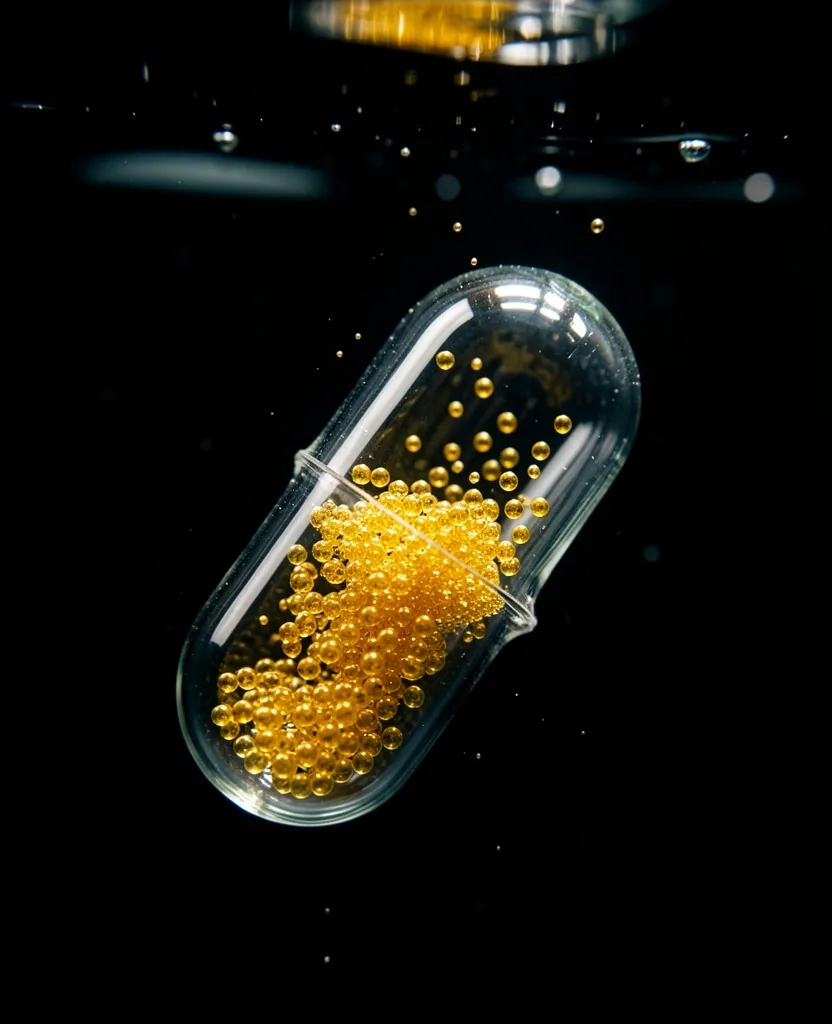
Capsule dissolving in water showing liposomal delivery
Supplement bottle with blank label
Criterion 05

Label transparency and honesty

We hold a zero-tolerance position on "proprietary blends" that hide the exact dosage of individual ingredients. This practice allows brands to include effective compounds at sub-effective doses while making the formula look impressive on the front of the bottle. A trustworthy company lists the precise amount of every vitamin, mineral, and botanical extract — in units you can verify.

Label transparency is one of the strongest indicators of a company's commitment to men's health support. When a brand discloses every component at its real dose, you can compare products meaningfully, adjust your intake based on what you already get from food, and identify ingredients that may not agree with you. Secrecy in labeling serves the seller, not the customer.

Our position

If a product uses a proprietary blend that conceals individual doses, we will not recommend it — regardless of brand reputation or marketing budget. Full dose disclosure is the minimum entry requirement.

Criterion 06

Scientific backing for formulations

While we focus on natural solutions, we look for formulations grounded in nutritional research rather than folklore. We favor products where the ingredient combination makes physiological sense — such as pairing vitamin D with vitamin K2 to support calcium metabolism, or combining B-vitamins in their active coenzyme forms for better uptake.

This evidence-based approach ensures that the energy and endurance supplements we highlight are designed for real-world results, not just shelf appeal. We check whether a product's dosages fall within ranges studied in published research and whether the brand references credible sources rather than relying on anecdotal claims.

Synergy example

Vitamin D paired with K2 for balanced calcium direction

Form check

Active coenzyme B-vitamins over cheaper synthetic isolates

Scientific reference materials on desk
Hand holding supplement capsule
Criterion 07

User safety and contraindications

We assess whether brands provide clear information about who should avoid their products. This includes warnings for people with specific allergies, those taking other nutritional supports, or anyone following a restricted diet. A responsible manufacturer makes this information easy to find — not buried in fine print or omitted altogether.

We also check whether the label recommends consulting a qualified professional before starting a new supplement, particularly for those managing existing conditions. A brand that prioritizes user safety over sales volume demonstrates an ethical stance we consider essential. Products that gloss over contraindications or imply universal suitability lose credibility in our review process.

  • ● Clear allergen disclosure on the label and product page
  • ● Guidance to consult a qualified professional for those with existing conditions
  • ● No implied claim that a supplement replaces a varied diet or professional advice
Criterion 08

Environmental and ethical impact

The way a product is made matters as much as what it contains. We take into account the environmental footprint of the brands we review — including their packaging choices, energy sourcing, and how they handle rare botanical supply chains. Supporting healthy lifestyle products that are also healthy for the planet is a core value of the VitaminPria editorial team.

Some botanicals used in men's wellness come from slow-growing plants that face overharvesting pressure. We look for brands that source through cultivated channels rather than wild harvesting vulnerable species, and we favor packaging that minimizes single-use plastic. These considerations do not override safety or efficacy — but when two products are otherwise comparable, the brand with a stronger ethical posture earns our preference.

A note on limits

Our criteria are designed for educational guidance — not a guarantee that any product is right for every individual. We encourage readers to use this framework as a starting point and to consult a qualified professional before adding new supplements to their routine.

Sustainable supplement packaging in natural setting
Quick Reference

What to check before you buy

Read the full ingredient list

Every ingredient should be named with its specific form — magnesium bisglycinate, not just "magnesium." If the label uses a proprietary blend, move on.

Look for standardization markers

Botanical extracts should state active compound percentages. This tells you the product is measured, not just poured into capsules.

Check for GMP and third-party testing

GMP compliance is the manufacturing baseline. Independent lab verification confirms the bottle contents match the label claim.

Find the safety and contraindication section

A clear warning section signals the brand takes user safety seriously. Its absence is a reason to question the product.

Verify the nutrient forms

Chelated minerals and active coenzyme vitamins cost more but absorb better. Cheaper oxide forms may look generous on the label while delivering less.

Assess the formulation logic

Ingredients should work together — like vitamin D with K2, or B-vitamins in active forms. Random combinations without rationale are a weak sign.

Continue Reading

Put these criteria to work

Understanding how we evaluate popular products for men is the first step. The next is applying that framework to your own supplement choices — comparing labels, checking forms, and choosing brands that meet the standards described above.

VitaminPria Editorial

Our evaluation methodology is reviewed and updated as new nutritional research becomes available. If you have questions about how we assess a specific product, our editorial team is available to explain the process.